


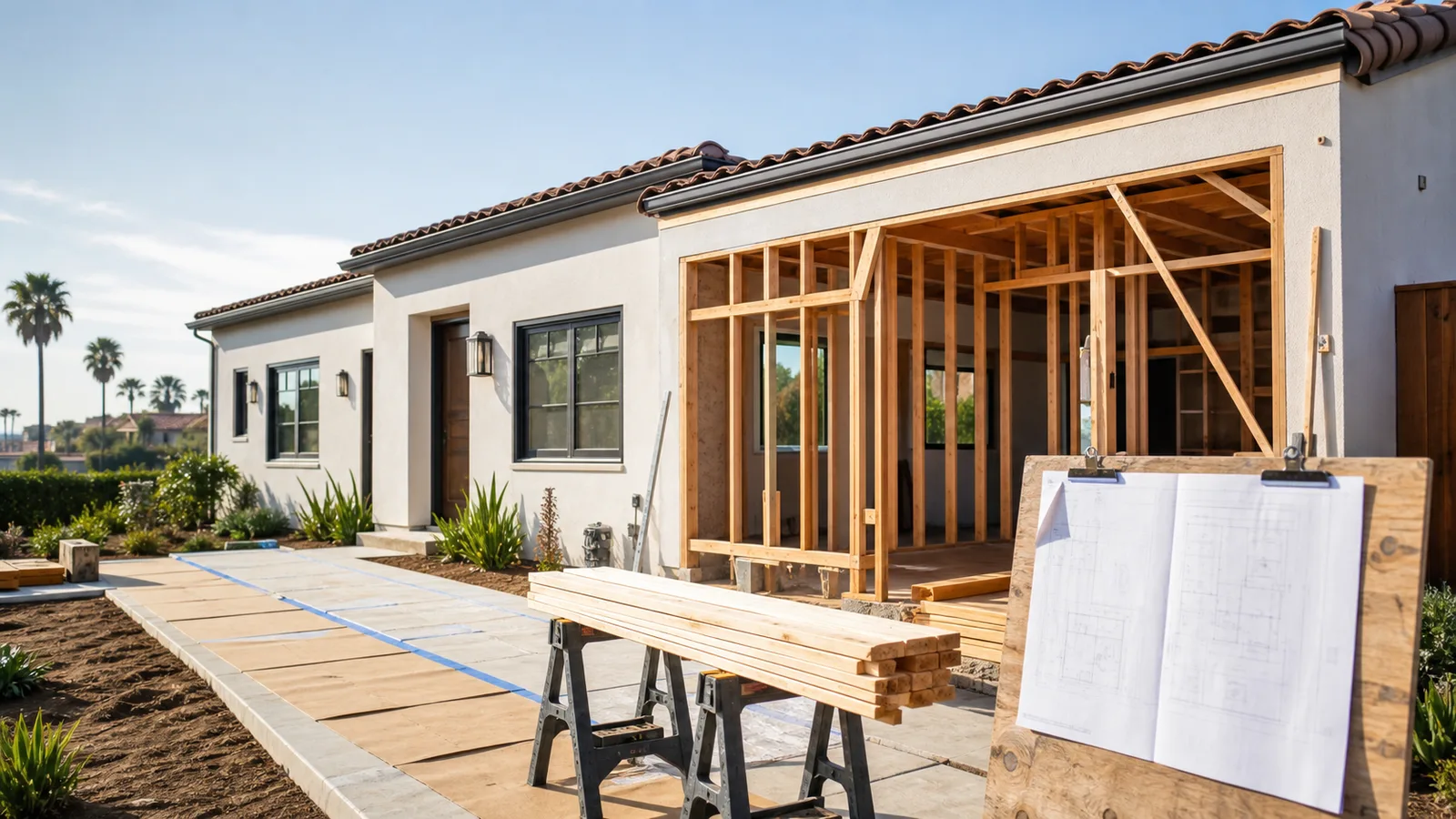
Permit questions usually show up after an owner has already started thinking about finishes. That is the wrong order. In San Diego County, the first question is not whether the project feels big or small. It is what the scope changes, what systems are touched, which jurisdiction reviews the address, and whether drawings, inspections, energy documentation, or specialty trade work may be required.
Useful Official Sources
The Short Answer
Many cosmetic changes are simpler than structural, utility, or use-changing work, but remodel permit rules are not decided by the word remodel alone. Painting, flooring replacement, cabinet swaps, or like-for-like finish updates may have a very different path than moving a wall, changing a window opening, replacing a panel, relocating plumbing, adding HVAC, converting a garage, expanding conditioned space, or improving a tenant space. The safest first stop is the official City of San Diego permits and approvals guidance or the reviewing city or county for the exact address.
The safest planning answer is: define the scope, confirm the reviewing jurisdiction, then check the permit path before the estimate becomes final. That protects the owner from stop-work problems, failed inspections, resale concerns, insurance issues, and expensive rework after materials have already been ordered.
How to verify
Start with the exact property address, not the nearest city name. Then compare the scope against the City of San Diego, County of San Diego, or local city building department guidance that applies to the address. If the work affects structure, utilities, exterior openings, occupancy, or conditioned space, assume it deserves a permit conversation.
Why it matters
A permit path affects drawings, start dates, inspections, trade sequencing, and cost. When that path is ignored until demolition starts, the owner loses leverage and the contractor loses schedule clarity.
Work That Commonly Triggers Permit Review
Permit triggers usually appear when the project changes the building, not just the surface. Home additions, ADUs, garage conversions, new openings, structural beams, window or door changes, electrical panel work, plumbing relocation, HVAC changes, exterior decks, foundation work, and commercial tenant improvements can all require review depending on the details.
Kitchen and bathroom remodels can sit in the gray area. Replacing finishes is one thing. Moving a sink, adding circuits, changing ventilation, removing a wall, waterproofing a shower, or changing a commercial break room is another. A good walkthrough separates cosmetic work from building-system work before the estimate is treated as complete.
Residential examples
- Removing or altering a wall, beam, window, door, deck, slab, or roof tie-in.
- Moving plumbing, adding circuits, changing a panel, or altering HVAC.
- Converting a garage, building an ADU, adding conditioned space, or changing exterior openings.
Commercial examples
- Tenant improvements that affect layout, occupancy, accessibility, restrooms, exit paths, electrical loads, HVAC, or fire/life-safety details.
- Work that affects customer access, employee areas, business hours, or inspections before a space can reopen.
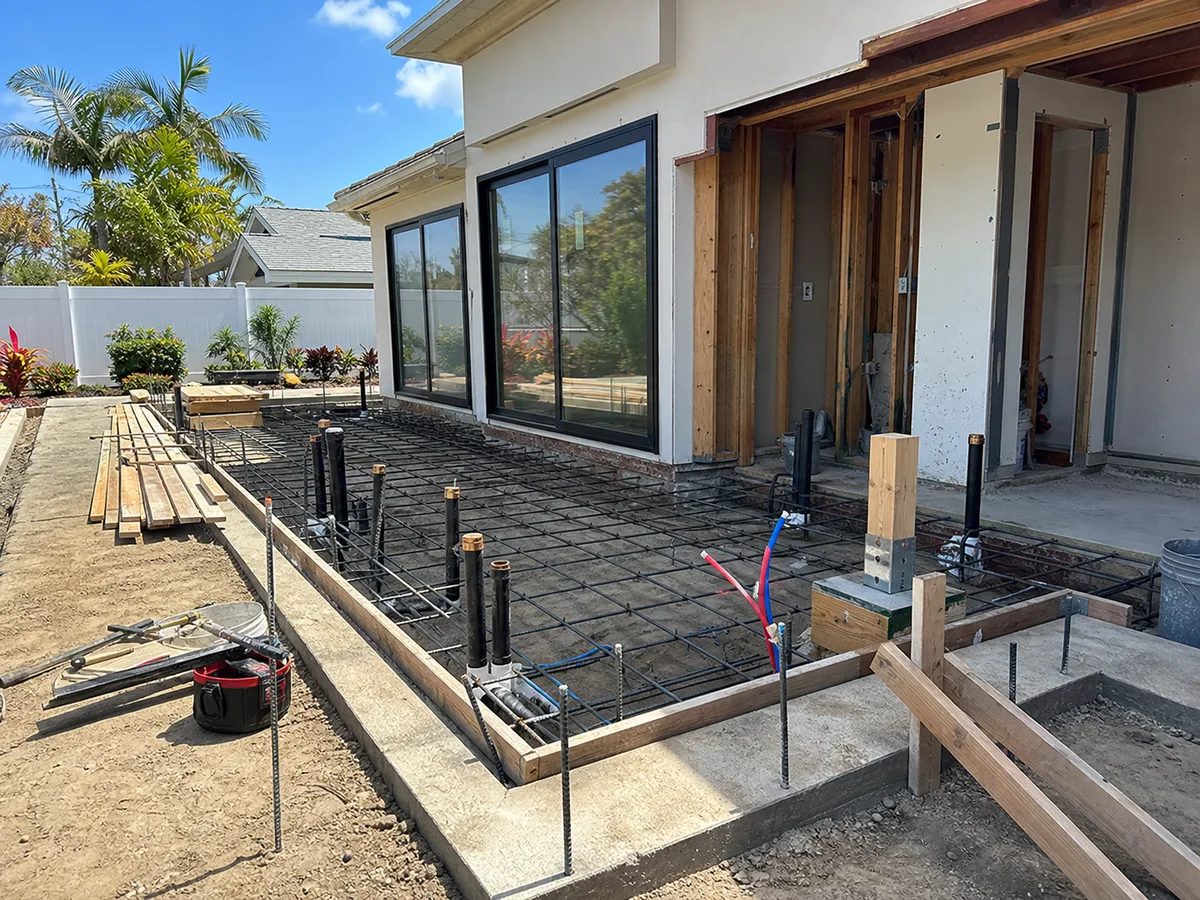
Why San Diego County Projects Differ by City
A Vista project, a Carlsbad project, a City of San Diego project, and an unincorporated County of San Diego project can follow different intake steps even when the owner describes the work the same way. Coastal overlays, slopes, drainage, fire zones, historic resources, zoning, and HOA restrictions can also affect the practical schedule before a building permit is issued.
For family homes, the biggest day-to-day issue is scheduling. If the permit path is underestimated, the family may plan around a start date that cannot happen. For commercial owners, the issue may be downtime. A tenant improvement that cannot pass inspection on time can affect opening dates, lease obligations, employees, and customers.
How to verify
Confirm the jurisdiction for the address and read that department first. Do not rely on a generic blog, a neighbor experience, or a contractor answer that was based on a different city.
What to gather before you call
- Address and parcel context.
- Photos of the existing condition.
- A plain-language scope and rough dimensions.
- Notes on walls, utilities, exterior openings, or occupancy changes.
- Old plans, inspection cards, or prior permit records if available.
How an Owner-Led GC Helps
A permit-aware general contractor does not replace the city, designer, or engineer. The GC helps translate the owner goal into construction scope, spots likely permit triggers, coordinates with design professionals when needed, and keeps the owner from comparing estimates that do not include the same assumptions. That is especially important when a project touches home additions, ADUs or garage conversions, or commercial improvements.
Kimmel Elite Construction is family-owned and owner-led, which means the first conversation should stay practical: what you want to build, what the property needs, what the city may require, and how the work can be coordinated around the people or business using the space.
What the GC should clarify
- Which parts of the scope are visible and which depend on opening walls or floors.
- Which trades are likely involved.
- Which decisions affect permit review or inspections.
- Which costs are fixed, allowances, exclusions, or unknowns.
Where Official Sources Fit Into the Plan
Official permit pages should not replace a jobsite walkthrough, but they should shape the questions you ask. The City of San Diego Building Permit page is useful when the project is inside city limits, while unincorporated properties should start with County of San Diego Planning and Development Services. Vista owners can start with the City of Vista permits and forms page before assuming the process is the same as a neighboring city.
The practical move is to use official pages to confirm the review path, then use a GC walkthrough to translate that path into scope, schedule, and trade coordination. A homeowner may know a kitchen wall is moving. The permit question is what that wall carries, whether electrical or plumbing is affected, whether ventilation changes, and whether drawings or inspections are needed. A commercial owner may know a tenant space needs a new layout. The permit question is whether that layout changes occupancy, accessibility, restrooms, mechanical loads, customer access, or fire/life-safety conditions.
What to check before calling contractors
- The exact city or county department that reviews the address.
- Whether the project changes structure, utility systems, exterior openings, conditioned space, occupancy, or access.
- Whether the work resembles other Kimmel service scopes such as kitchen remodeling, bathroom remodeling, home additions, or commercial construction.
- Whether the city page mentions simple permits, plan review, inspections, energy documentation, or special forms.
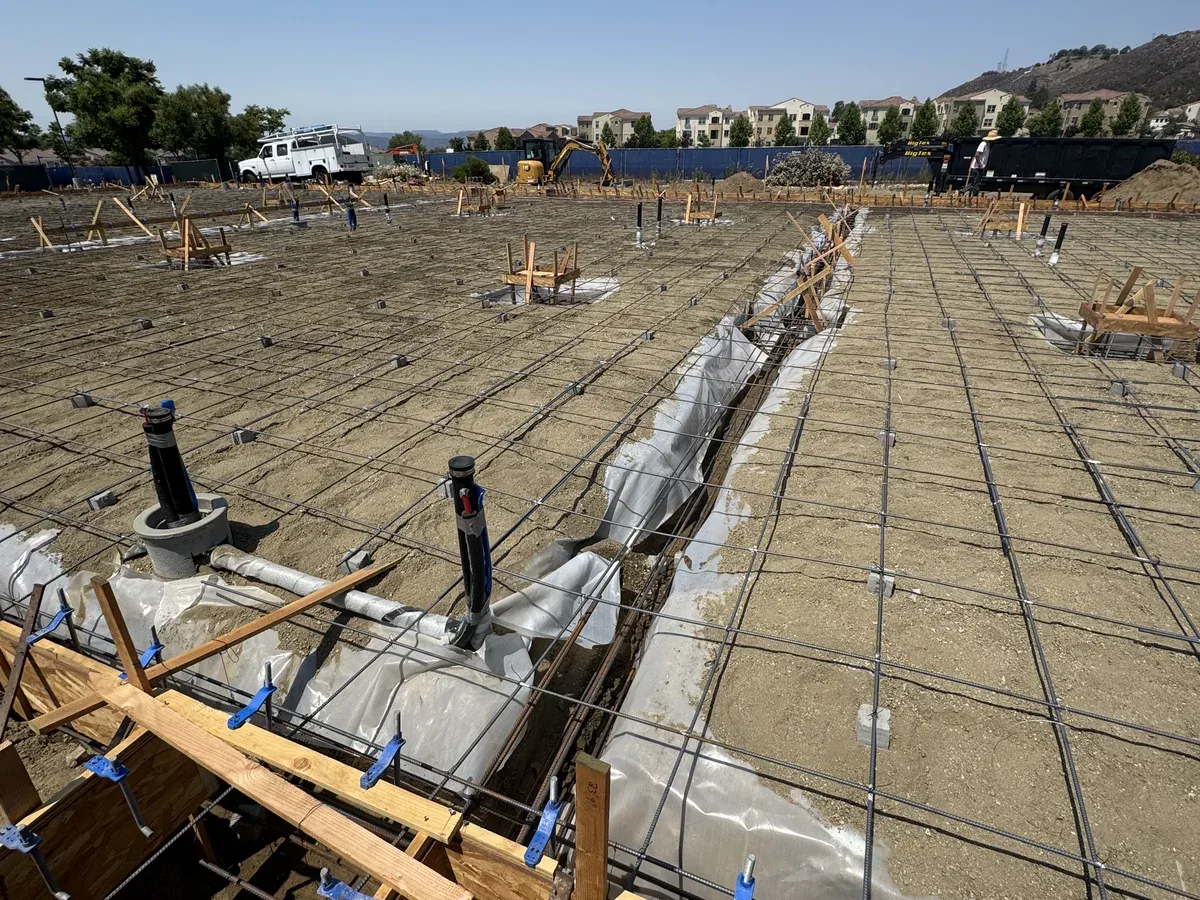
How to Build a Permit-Smart Scope Before Pricing
The most useful estimate request is not "how much for a remodel?" It is a written scope that explains the existing condition, the desired change, and the systems affected. For example, "remove a non-load-bearing partition and replace cabinets" is a different pricing conversation than "remove a wall, relocate the sink, add recessed lighting, replace a window, and upgrade ventilation." The second version gives the GC a chance to flag drawings, trade sequencing, and inspection steps before the number becomes misleading.
For commercial properties, the same idea applies with more operational detail. A shop, office, warehouse, or tenant space should describe current use, proposed use, hours of operation, access constraints, restroom or accessibility changes, electrical and HVAC needs, and whether the work can happen while the business remains open. That context helps a GC build a better path through commercial construction and improvement work instead of pricing the job like a simple finish refresh.
A stronger scope request includes
- Photos from wide angles plus closeups of the work area.
- A list of walls, windows, doors, fixtures, plumbing, electrical, HVAC, or concrete affected.
- Notes about family routines, pets, tenants, employees, parking, deliveries, and access.
- Known deadlines, HOA limits, lease obligations, or inspection concerns.
- Questions the owner wants answered before deciding whether to proceed.
Permit Planning Checklist Before You Start
Use this checklist before asking contractors for final pricing. It will not replace official review, but it will make the first contractor conversation and city conversation more productive.
- Does the scope change structure, utilities, windows, exterior openings, parking, occupancy, or conditioned space?
- Which city or county department reviews this exact address?
- Will plans, engineering, Title 24 documentation, accessibility review, or inspections be needed?
- What parts of the estimate depend on permit approval or hidden conditions?
- How will family routines, tenants, customers, parking, staging, dust, noise, and access be handled during work?
Common Questions
Can a homeowner pull a permit instead of the contractor?
Sometimes, but it changes responsibility and risk. Owners should understand who is responsible for the work, inspections, scheduling, jobsite safety, and code compliance before choosing that route.
Should permit planning happen before or after the estimate?
It should happen before the estimate is treated as final. Permit requirements can affect drawings, inspections, schedule, trade scope, product choices, and cost.
Do commercial improvements need different permit planning?
Often yes. Commercial work may involve occupancy, accessibility, fire/life-safety, customer access, employee areas, business hours, and inspection timing in addition to the construction scope itself.
Planning work that may touch structure, electrical, plumbing, windows, added space, or a commercial tenant area? Ask a licensed GC before you guess.
Kimmel Elite Construction keeps the conversation practical: what you want to build, what the property needs, what the city may require, and how the work can be coordinated around the home, tenant space, or commercial property.
Request a Free EstimateRelated Guides
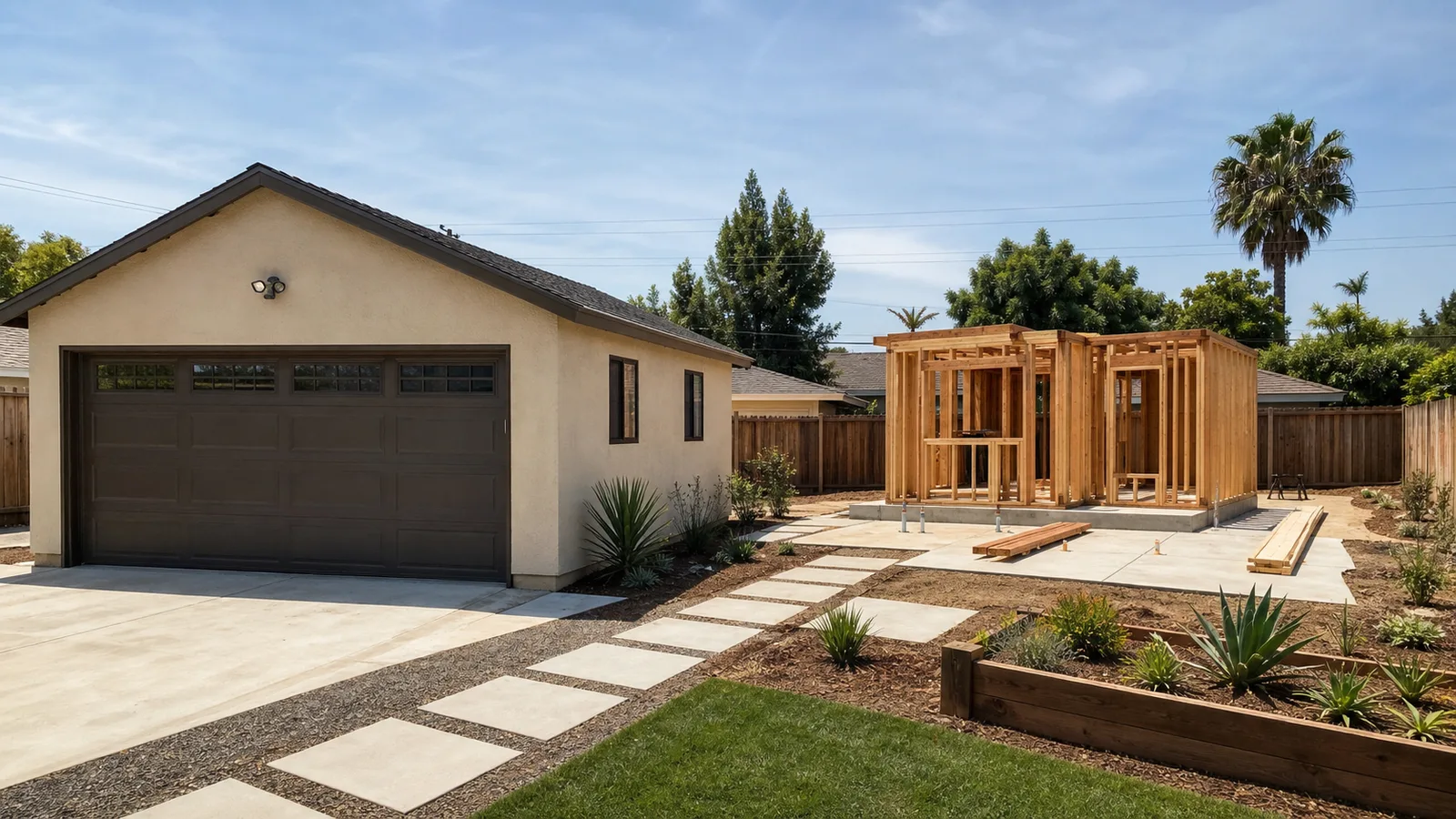
ADUs & Garage Conversions
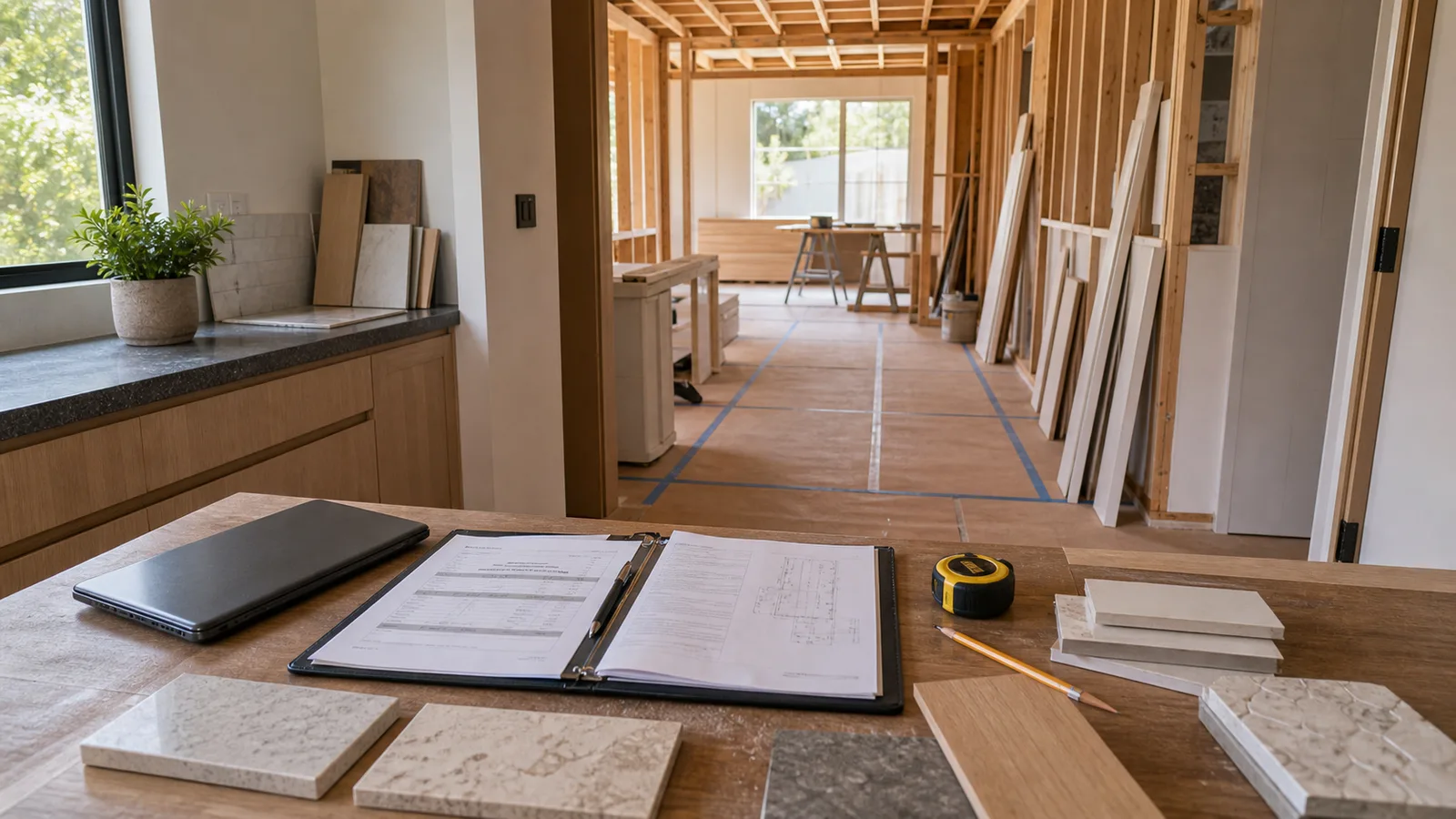
Garage Conversion vs. Detached ADU in San Diego County
Compare garage conversions and ADUs through the practical lens of family use, utilities, budget, permits, privacy, and long-term flexibility.
Choosing a Contractor
Questions to Ask Before Signing a Contractor Estimate
A plain-language checklist for comparing contractor estimates by license, scope, exclusions, permits, schedule, change orders, payment terms, and closeout documents.
Choosing a Contractor
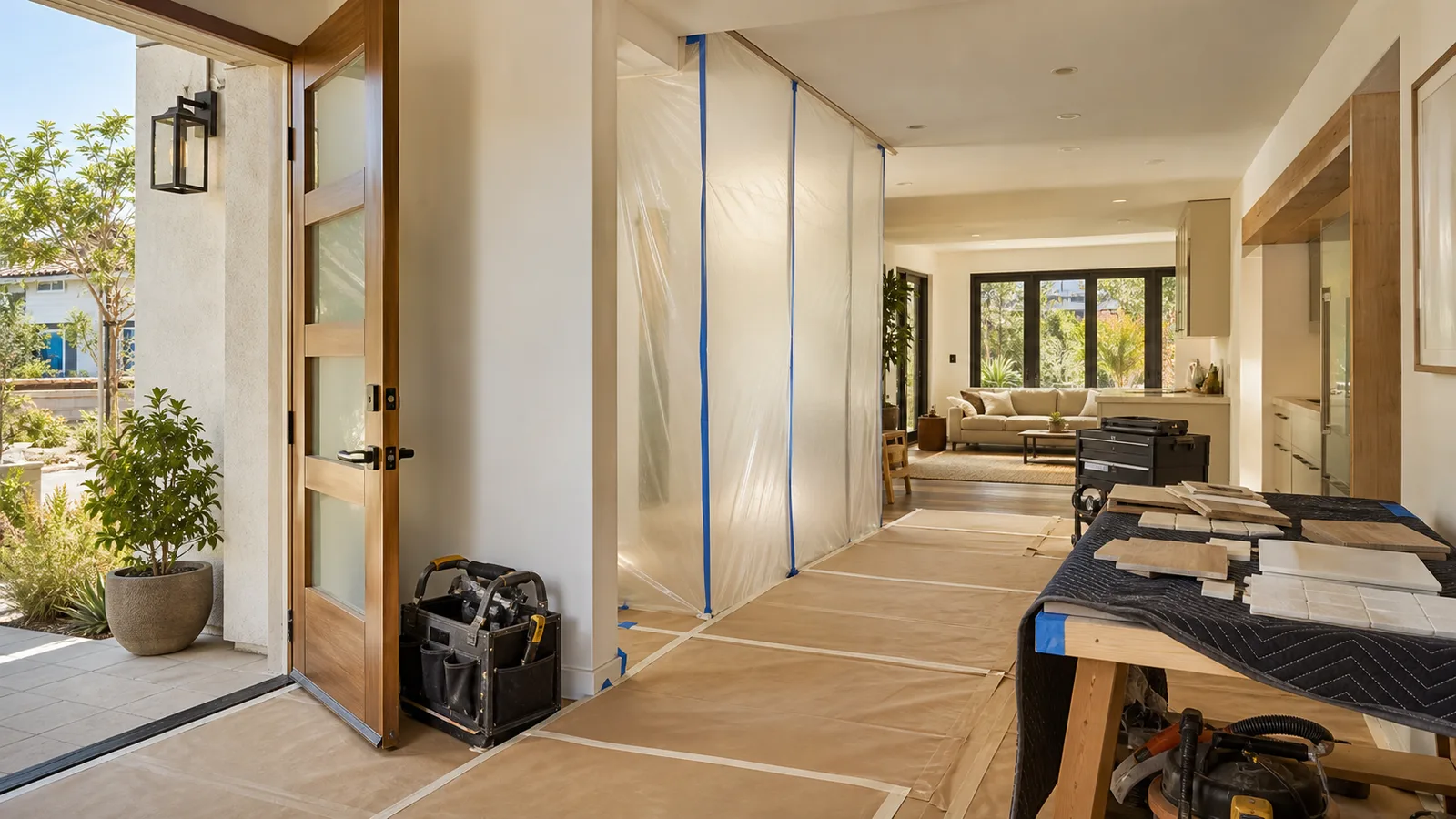
How to Choose a Family-Owned General Contractor in Vista, CA
A practical contractor selection guide for Vista clients who want license clarity, direct communication, clean jobsites, and accountable residential or commercial project coordination.