


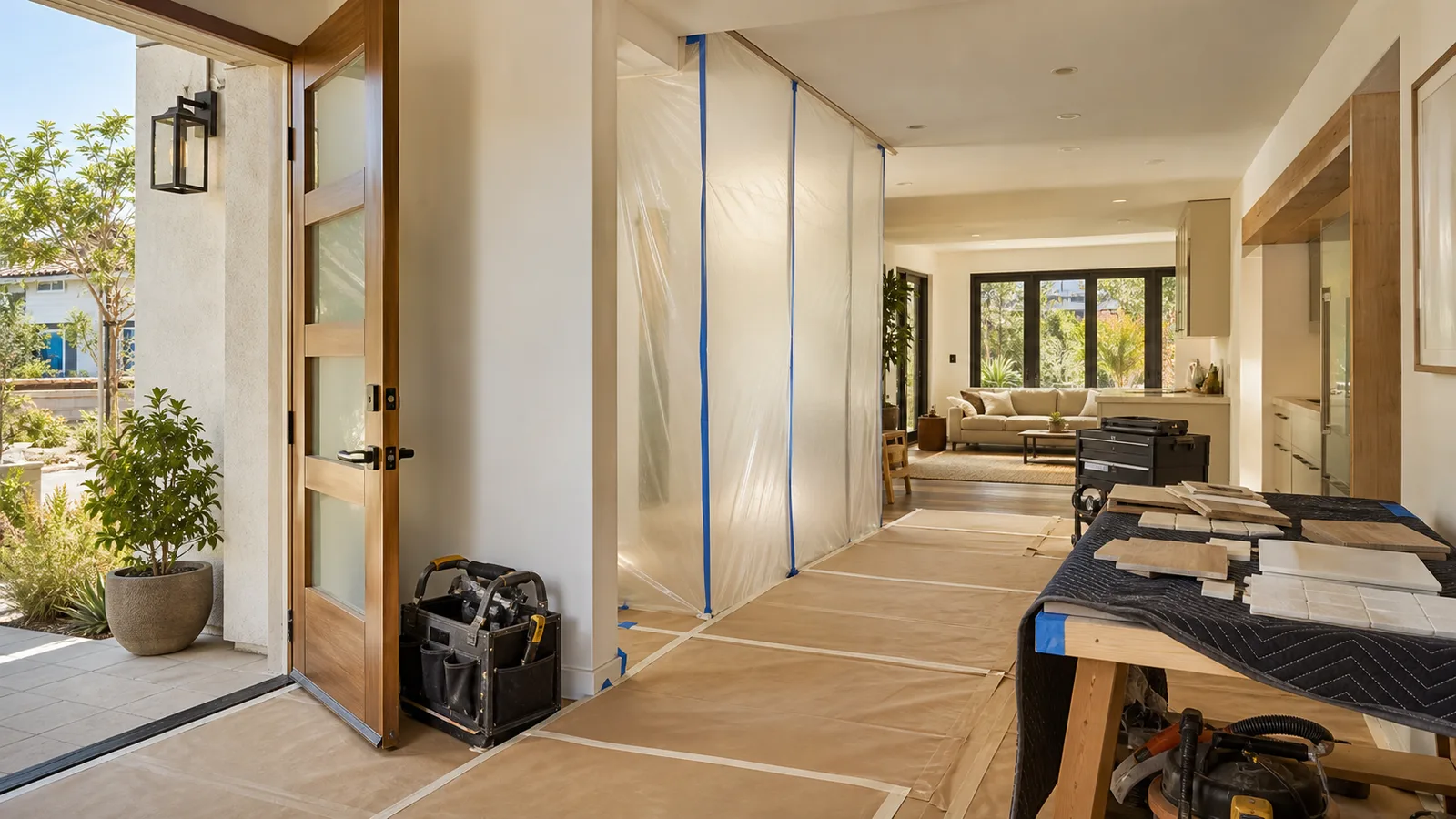
Choosing a general contractor is not just about the lowest number on an estimate. For a family home, the contractor is entering daily life. For a commercial property, the contractor may be working around employees, tenants, customers, inventory, or opening hours. The right fit is someone who can coordinate the work, explain the risks, protect the property, and keep decisions clear.
Useful Official Sources
Start With License and Scope Fit
In California, license status should be checked before serious pricing conversations. Use the CSLB contractor license lookup, confirm the classification is appropriate for the work, and ask how specialized trades will be coordinated when the project touches electrical, HVAC, plumbing, roofing, structural work, concrete, tile, or commercial improvements.
A family-owned GC should also be clear about boundaries. Not every project needs an architect or engineer, but some do. Not every remodel needs the same permit path, but some clearly do. Clear answers about what is included, what is excluded, and what still needs verification are signs of professionalism.
How to verify
- Use CSLB license lookup before signing.
- Ask whether the license name matches the contracting entity.
- Ask who supervises specialty trades and whether subcontractors are licensed where required.
- Ask what permits or city review may apply to the address.
Why it matters
A license check is not a guarantee of perfect work, but skipping it removes one of the easiest consumer protections available. Scope fit matters just as much: a contractor who is wrong for the project type can miss permit, sequencing, or trade coordination issues.
What Family-Owned Should Mean in Practice
Family-owned should not mean casual, tiny, or limited. It should mean reputation matters, communication stays direct, and the owner can expect accountability before, during, and after the job. The contractor can still coordinate the right crew size for larger scopes while keeping decision-making close to the person responsible for the work.
For a Vista homeowner or property owner, the benefit is practical: owner-led planning, direct GC communication, clean jobsites, respect for the people using the property, and the ability to coordinate residential or commercial scopes without sending every question through a corporate chain.
Good signs
- The contractor asks how the home or business will be used during construction.
- The estimate explains assumptions, exclusions, and decision points.
- Communication responsibilities are clear.
- Property protection, cleanup, and access are discussed before work starts.
Red flags
- Avoiding license questions.
- Giving a final price before seeing enough detail.
- Dismissing permits without understanding the address.
- Treating dust control, tenant access, cleanup, or family routines as afterthoughts.
Ask About Residential and Commercial Experience Separately
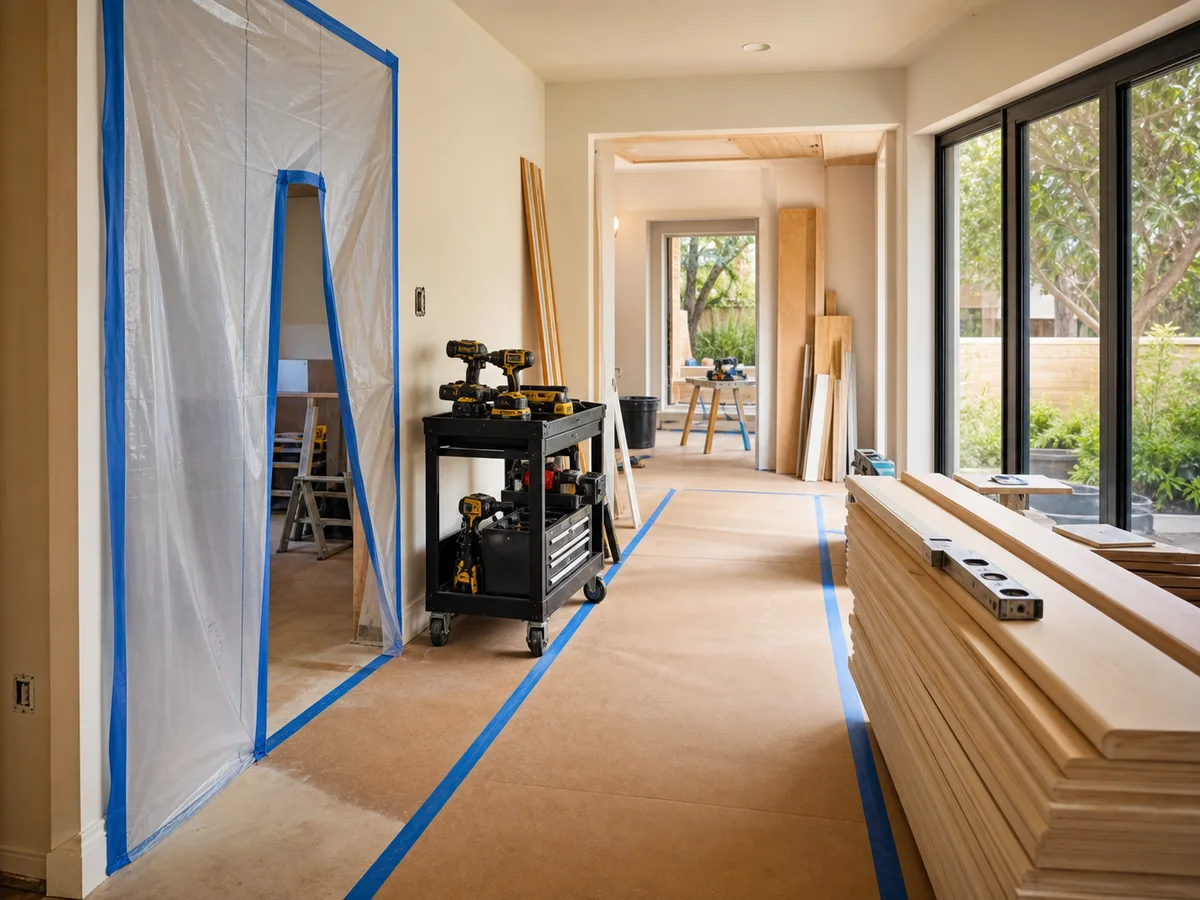
A contractor can be strong in both residential and commercial work, but the planning questions differ. A home remodel may require dust control, temporary kitchen planning, child and pet boundaries, careful material staging, and neighbor communication. A commercial improvement may require tenant coordination, after-hours work, customer safety, accessibility, signage, inspections, or phasing around revenue-producing space.
Do not describe the job only by trade. A wall, door, restroom, slab, storefront, or HVAC change means different things depending on whether the space is a family home, rental unit, shop, office, warehouse, or tenant improvement.
Questions for home projects
- How will you protect floors, furniture, pets, and kids from the work zone?
- What areas of the home will be unusable during each phase?
- Who gives schedule updates and how often?
Questions for commercial projects
- Can work be phased around business hours or tenant access?
- What inspections or accessibility issues may affect reopening?
- How will customers, employees, deliveries, and parking be protected?
Compare Estimates by Scope, Not Just Price
A thin estimate can look attractive until the missing items show up as change orders. Compare demolition, disposal, material allowances, permit assumptions, inspections, trade coordination, cleanup, protection, access, and exclusions. If two estimates are far apart, the better question is usually not who is cheaper. It is whether they are pricing the same project.
A good family-owned contractor should be willing to explain the estimate in plain language. That includes what could change after demo, what selections are still open, what city review could affect timing, and what owner decisions are needed before a start date is realistic. If you are comparing a remodel, repair, addition, or tenant improvement, use the Kimmel general contractor services page to separate the actual construction scope before comparing prices.
What to compare
- Written scope of work.
- Allowances and product assumptions.
- Permit and inspection assumptions.
- Cleanup, protection, staging, and access.
- Change-order process and approval requirements.
Check Public Signals Without Treating Them as the Whole Story
Public signals are useful, but they are not a substitute for a written scope and a real conversation. CSLB tells you whether the license is active and whether public license records raise concerns. The BBB general contractor directory for San Diego can help you see public business profiles and complaint patterns. City resources, such as Vista permits and forms, help you ask better questions about local review.
The mistake is treating one signal as the decision. A contractor can have a clean public profile and still be the wrong fit for your project type. Another contractor may have relevant experience but still need to explain how the estimate handles permits, trade coordination, property protection, and change orders. Use public research to narrow the field, then use the first conversation to test whether the contractor understands your property.
A practical research sequence
- Verify the license through CSLB before signing.
- Check public review patterns and complaint history where available.
- Review the city or county page for the likely permit path.
- Read the contractor estimate against the same scope you gave other bidders.
- Ask follow-up questions from the Kimmel general contractor FAQ if anything is unclear.
What a Better Written Scope Should Cover
For residential work, the written scope should explain which rooms are affected, what is being removed, what is being protected, what finishes are included, which utilities move, which trades are involved, and how the family will use the home during work. For commercial work, the written scope should also describe access, business hours, tenant coordination, customer safety, restroom or accessibility work, inspections, and downtime.
This is where an owner-led GC can add value before construction starts. The conversation can move from "what do you charge?" to "what are we actually building, what could change, and how do we protect the property while it happens?" That is the difference between a bid that only wins on price and a plan that gives the owner confidence.
Scope details worth writing down
- Demolition, hauling, protection, staging, cleanup, and access.
- Materials supplied by the contractor versus owner-selected items.
- Permit, inspection, design, engineering, or specialty-trade assumptions.
- Known exclusions and likely hidden-condition risks.
- Communication rhythm and who approves decisions.
When a Vista Project Needs More Than a Handyman
Some property work is small enough for a simple repair call. Other work needs a licensed general contractor because several parts of the building have to be coordinated at once. A bathroom that only needs a vanity swap is different from a bathroom that needs tile, waterproofing, plumbing, ventilation, electrical, drywall, and inspections. A retail patch job is different from a tenant improvement that changes walls, restrooms, lighting, HVAC, customer paths, or accessibility details.
The dividing line is usually coordination and responsibility. If the project affects multiple trades, life safety, occupancy, structure, exterior openings, utilities, or a commercial space that has to remain usable, the owner benefits from one accountable GC who can organize the work. That is the same reason Kimmel separates service pages for bathroom remodeling, windows, doors, and siding, concrete and foundations, and commercial construction: the scope should drive the team, not the other way around.
A GC is usually worth discussing when
- More than one trade or inspection is involved.
- The work affects structure, envelope, utilities, occupancy, or business access.
- The owner needs one person accountable for sequencing and communication.
- The estimate has enough unknowns that a written scope and change-order process matter.
The First Conversation Should Make the Project Clearer
You do not need a contractor who says yes to everything. You need one who can help sort the project into knowns, unknowns, decisions, risks, and next steps. That is especially important for occupied homes and active commercial spaces, where the construction plan has to respect the people using the property.
By the end of the first serious conversation, you should understand what needs to be seen in person, what information is missing, what official sources should be checked, and what would make the estimate change later.
Common Questions
What does family-owned mean when hiring a contractor?
It should mean direct accountability, reputation-conscious work, clear communication, and respect for the people using the property. It should not imply limited project size or limited crew capacity.
Is owner-led the same as small?
No. Owner-led means responsibility and communication stay close to the project while the GC coordinates the right crew size and trade partners for the scope.
Should commercial owners ask different questions than homeowners?
Yes. Commercial owners should ask about access, business hours, tenants, employees, customer safety, inspections, accessibility, and downtime in addition to normal construction scope.
Have a Vista residential or commercial project in mind? Start with a practical conversation about scope, timing, property access, and how the work will be protected.
Kimmel Elite Construction keeps the conversation practical: what you want to build, what the property needs, what the city may require, and how the work can be coordinated around the home, tenant space, or commercial property.
Request a Free EstimateRelated Guides
Choosing a Contractor
Questions to Ask Before Signing a Contractor Estimate
A plain-language checklist for comparing contractor estimates by license, scope, exclusions, permits, schedule, change orders, payment terms, and closeout documents.
Permits
Do You Need a Permit for a Remodel in San Diego County?
Learn when remodel work is likely to need permit review, why each city can differ, and how early planning protects budget and schedule.
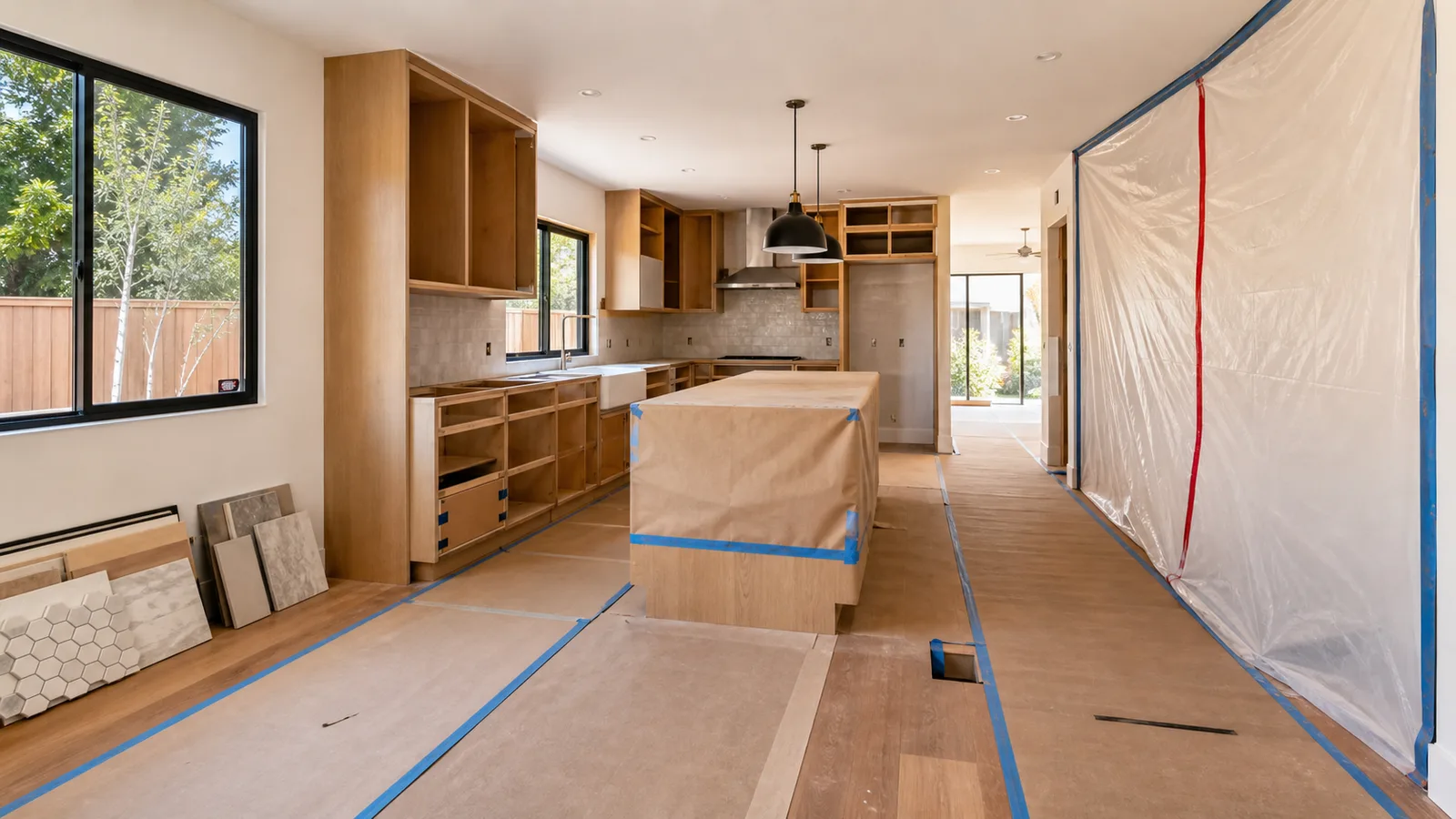
Kitchen Remodeling
Kitchen Remodel Timeline for an Occupied San Diego Home
Understand the phases that shape a kitchen remodel timeline when the family is still living in the home.