


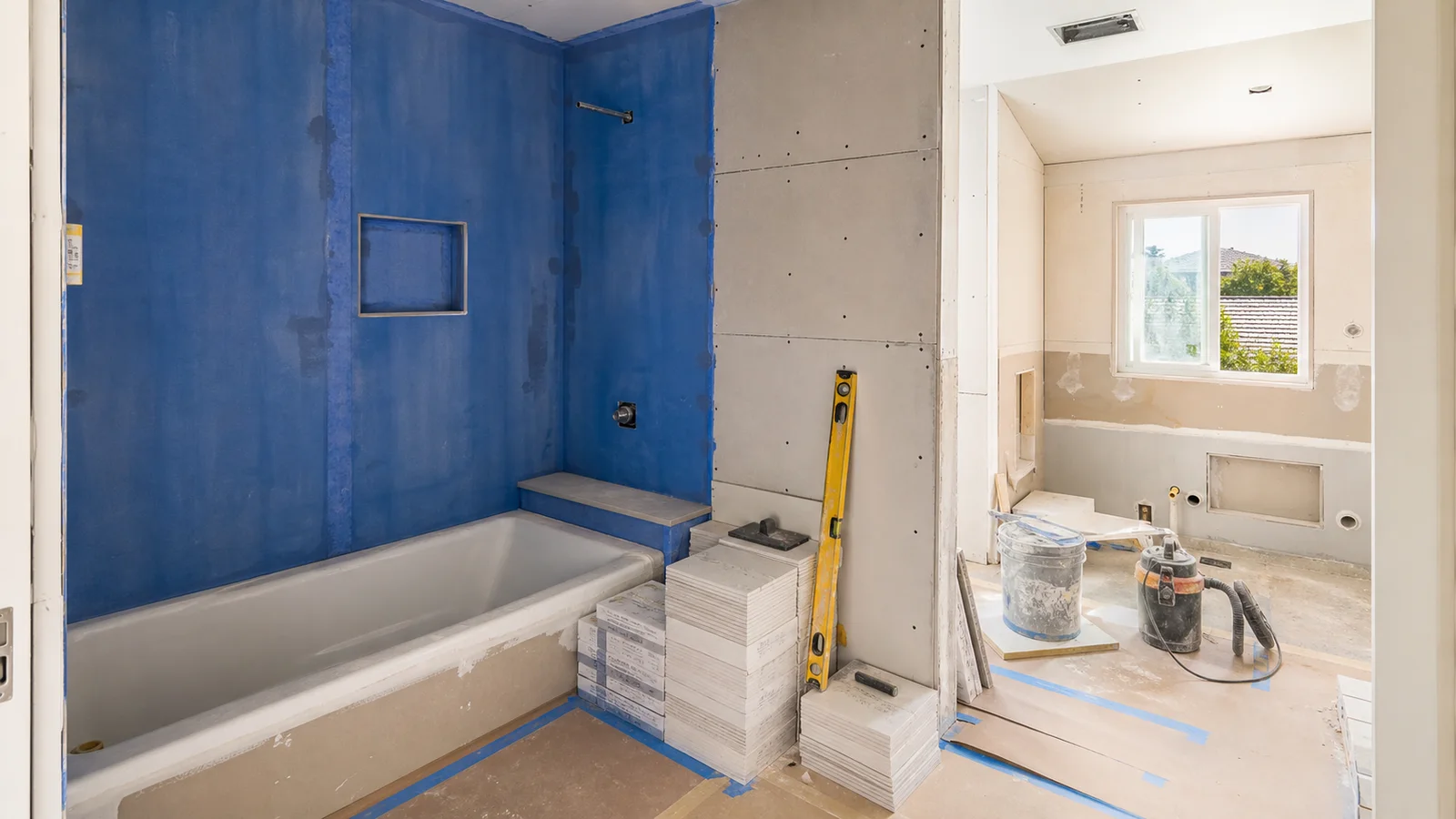
A bathroom remodel can look simple because the room is small. In reality, bathrooms concentrate water, electrical, ventilation, tile, fixtures, storage, privacy, and daily routines into one tight space. For a busy family home, the planning needs to account for both construction details and how the household will function while the bathroom is offline.
Useful Official Sources
Start With the Bathroom Your Family Actually Uses
A hall bath used by kids needs different planning than a primary bath retreat or a powder room. Storage, durable surfaces, ventilation, shower access, towel space, lighting, and cleaning routines should shape the scope before tile is selected.
The most useful early conversation is practical: who uses the room, what fails today, what has to be easier, and what can wait for a later phase?
Waterproofing Comes Before Pretty Finishes
Tile is not waterproof by itself. The system behind it matters: substrate, waterproofing, slope, drain details, corners, penetrations, and transitions. A bathroom that looks good but was built poorly can create expensive problems later.
Homeowners should ask what waterproofing method will be used and how the contractor will handle shower niches, curbs, benches, and transitions before finish tile goes in.

Ventilation, Lighting, and Electrical Planning
Bathrooms need moisture control and practical lighting. Fans, switches, outlets, vanity lighting, shower lighting, and GFCI protection should be discussed before walls close. If electrical or ventilation changes are part of the work, permit and inspection requirements may apply depending on the jurisdiction and scope.
This is another reason a bathroom estimate should not be based only on tile square footage. The hidden systems make the finished room work.
Occupied-Home Scheduling
If the home has only one full bath, schedule planning matters more. Families may need temporary arrangements, work-hour clarity, and a plan for when water will be shut off. Even with multiple bathrooms, access paths, dust, noise, and material staging affect daily life.
A family-owned GC should talk about protection, cleanup, and communication before the first day of demolition.
Decisions to Make Early
- Shower or tub layout.
- Tile size, pattern, trim, grout, and niche placement.
- Vanity size, storage, faucets, mirrors, and lighting.
- Ventilation and electrical changes.
- Who will use the room while construction is underway.
Waterproofing Is The Part You Do Not See Later
The most expensive bathroom failures often start behind beautiful tile. A clean finished shower means little if the substrate, slope, drain connection, corners, penetrations, and waterproofing details were not handled correctly. The planning conversation should cover what is being removed, what is being rebuilt, and how water will be managed before tile is installed.
This is especially important in older homes where framing, plumbing, ventilation, or prior repairs may not be obvious until demolition. A responsible estimate should leave room for documenting hidden conditions instead of pretending every bathroom is the same.
Ventilation, Lighting, And Daily Use
Bathrooms work hard in family homes and commercial spaces. Ventilation, lighting, outlet placement, door swings, storage, slip resistance, and cleanable surfaces all affect the result. In a business or rental setting, durability and maintenance can matter as much as the finish style.
When the room is small, every decision affects another one. Moving a vanity can affect lighting and outlets. Changing a shower can affect waterproofing and drain work. Replacing a window can involve exterior weatherproofing and energy-code questions.
Questions To Ask Before Tile Starts
- What waterproofing method will be used, and where does it start and stop?
- Is the drain location staying or moving?
- Does ventilation need to be improved?
- Are grab bars, blocking, curbless entry, or future accessibility worth planning now?
- What hidden conditions would trigger a change order?
Clarify the bathroom remodel Scope Before Pricing
A bathroom remodel is a water-management project before it is a finish project. Before a price can mean much, the owner and contractor need the same definition of the work: who uses the room every day, whether plumbing or electrical locations change, which waterproofing system is being used, how ventilation will be handled, and what access the household needs during construction. That scope conversation is what turns a general idea into a buildable plan. It also keeps the estimate from becoming a loose collection of assumptions that are difficult to compare against another bid.
For Kimmel Elite, a useful first walkthrough connects the property goal to the actual construction path. The owner should leave with a clear sense of what can be priced from the walkthrough, what may need drawings or trade input, and what should be confirmed through Vista and North County service areas. That is true for bathroom remodeling, related repairs, and larger work that touches several building systems.
Use Public Requirements as Planning Inputs
Public rules do not replace contractor judgment, and contractor guidance does not replace the authority having jurisdiction. A practical plan uses both. For this kind of work, useful starting points can include City of San Diego Building Permit information, California CSLB license lookup, and California 2025 Building Energy Efficiency Standards. These references help owners understand why a scope may need permit review, documentation, inspections, energy-code planning, accessibility review, or a more careful sequence than a quick cosmetic project.
The goal is not to make the owner manage the permit process alone. It is to keep the conversation grounded. When an estimate explains which requirements are known, which ones need confirmation, and who is responsible for the next step, the project is easier to schedule and easier to defend if questions come up during review, inspection, financing, insurance, resale, or tenant coordination.
Separate Residential and Commercial Expectations
For a home, the most important planning questions are privacy, access to another bathroom, water shutoff timing, durable surfaces, storage, and how the family will move through the house while work is active. The best construction plan recognizes that family life continues during many remodels. Work areas, protection, temporary access, selections, schedule updates, and cleanup all affect how the project feels while it is underway.
For a commercial restroom, the conversation adds business hours, accessibility expectations, employee or customer access, fixture durability, signage, and whether work must be phased to keep the space usable. Many projects need a licensed GC who can coordinate both residential and commercial scopes, not only a finish installer. The value is practical coordination: knowing which trades are involved, how the work affects occupied space, and where sequencing decisions can reduce unnecessary disruption.
Estimate Details That Prevent Confusion
A stronger estimate for a bathroom remodel should spell out waterproofing method, tile layout, shower pan or tub details, fan and lighting scope, plumbing fixture allowances, wall repair, floor transitions, cleanup, and inspection assumptions. If those items are missing, the owner may be comparing a complete scope against a thin number. That is how a lower bid can become more expensive after construction starts.
Before signing, compare the scope against questions to ask before signing a contractor estimate. If the work has unknowns, also decide how discoveries will be handled through construction change-order planning. Clear estimate language does not eliminate every surprise, but it gives both sides a fair process for deciding what is included, what is excluded, and what requires written approval.
- What exactly is included in the base scope?
- What is excluded or listed as owner responsibility?
- Which allowances can change after selections are made?
- Which hidden conditions are reasonably possible for this property?
- How will photos, pricing, and approval be handled if the scope changes?
Sequence the Work Before the First Day On Site
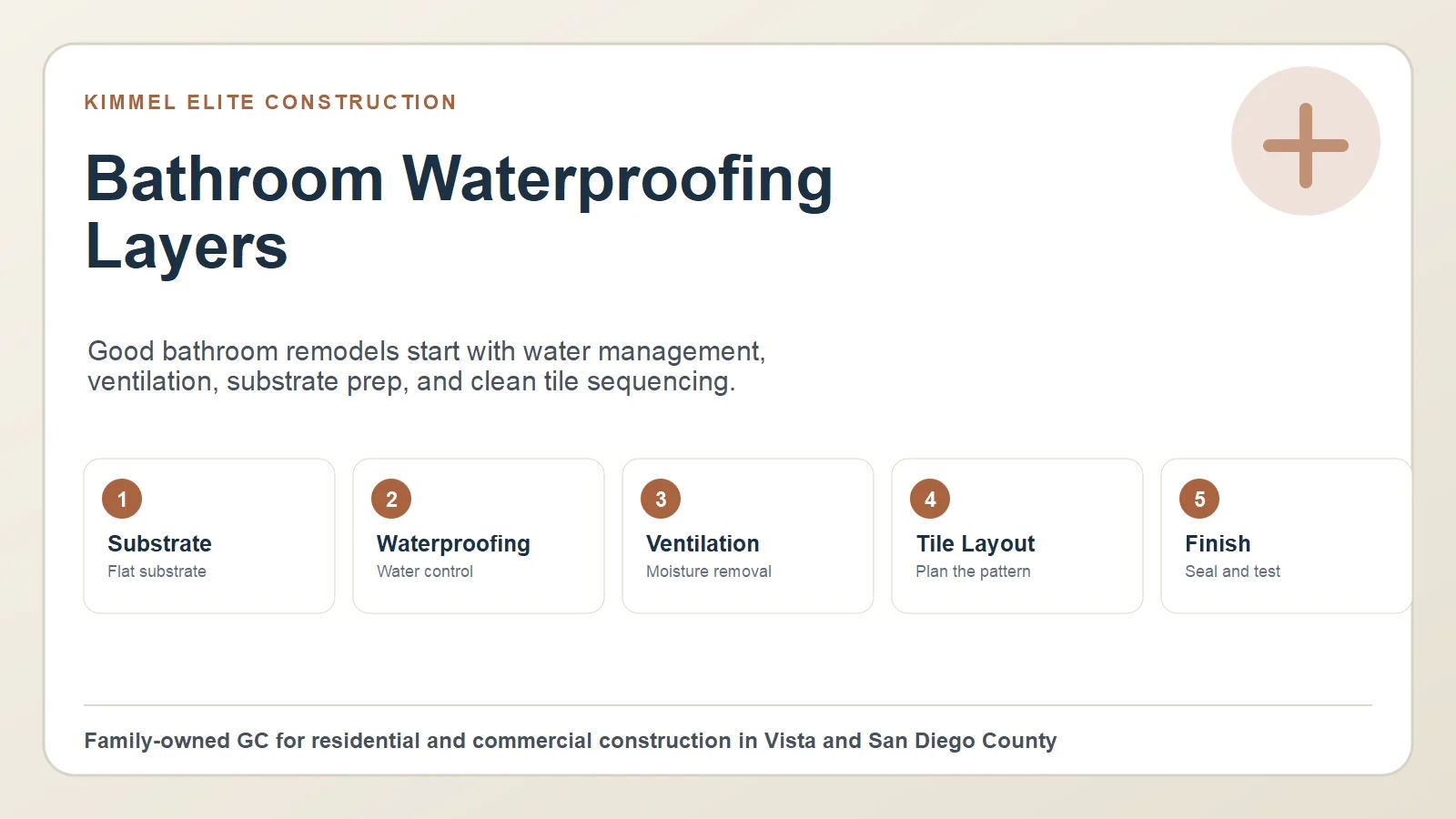
Good scheduling is not only a start date and an estimated finish date. For this scope, sequencing usually includes demolition, plumbing or electrical rough-in, waterproofing, inspections, tile work, fixture setting, glass, paint touchups, and final punch-list work. Each step affects the next one, especially when inspections, material lead times, utility shutoffs, tenant access, or occupied-home logistics are involved.
Related planning guides can help owners think through the moving parts before work begins: occupied-home remodel scheduling and remodeling around family routines. Reading across those topics is useful because real projects rarely stay in one category. A bathroom may involve electrical and ventilation. Exterior repair may involve drainage. An ADU may involve structure, utilities, energy code, and parking.
A Practical Checklist Before You Approve the Work
Use the checklist below as a final pass before approving the scope. It is not paperwork for its own sake. It is the simplest way to catch vague assumptions while changes are still easy to make, before demolition, ordering, inspections, or business disruption create pressure.
The same checklist works for homeowners, property managers, and commercial owners because the core issue is the same: everyone needs a shared written understanding of the work, the schedule, the risk areas, and the communication process.
- Ask what waterproofing system will be used before tile is selected.
- Confirm whether electrical, plumbing, or ventilation changes affect permit review.
- Make fixture, vanity, tile, grout, mirror, and lighting decisions before demolition.
- Plan water shutoffs and access if the home has only one full bath.
- Keep a written punch list for glass, trim, paint, caulk, hardware, and final adjustments.
When an Owner-Led GC Adds the Most Value
An owner-led, family-owned GC is most useful when the project touches several decisions at once: layout, trades, permits, materials, access, schedule, protection, and budget. That is when a single point of accountability matters. The owner should not have to connect every trade conversation, permit question, product decision, and schedule adjustment alone.
For a project that may involve bathroom remodeling and commercial construction and improvements, the next step is a direct walkthrough and a written scope. Kimmel Elite can help owners decide what belongs in the first phase, what needs more investigation, and what can wait until a later improvement window. Start with a free estimate request when the goal is clear enough to discuss on site.
Common Questions
What is the most important part of a bathroom remodel?
The waterproofing and ventilation plan. Finishes matter, but the room must manage water and moisture correctly before it can be considered well built.
Should bathroom selections be made before construction starts?
Yes. Tile, fixtures, vanity, lighting, and shower details affect rough-ins, layout, schedule, and cost.
Need a bathroom remodel that respects daily family routines? Ask for a practical walkthrough before demo.
Kimmel Elite Construction keeps the conversation practical: what you want to build, what the property needs, what the city may require, and how the work can be coordinated around the home, tenant space, or commercial property.
Request a Free EstimateRelated Guides
Kitchen Remodeling
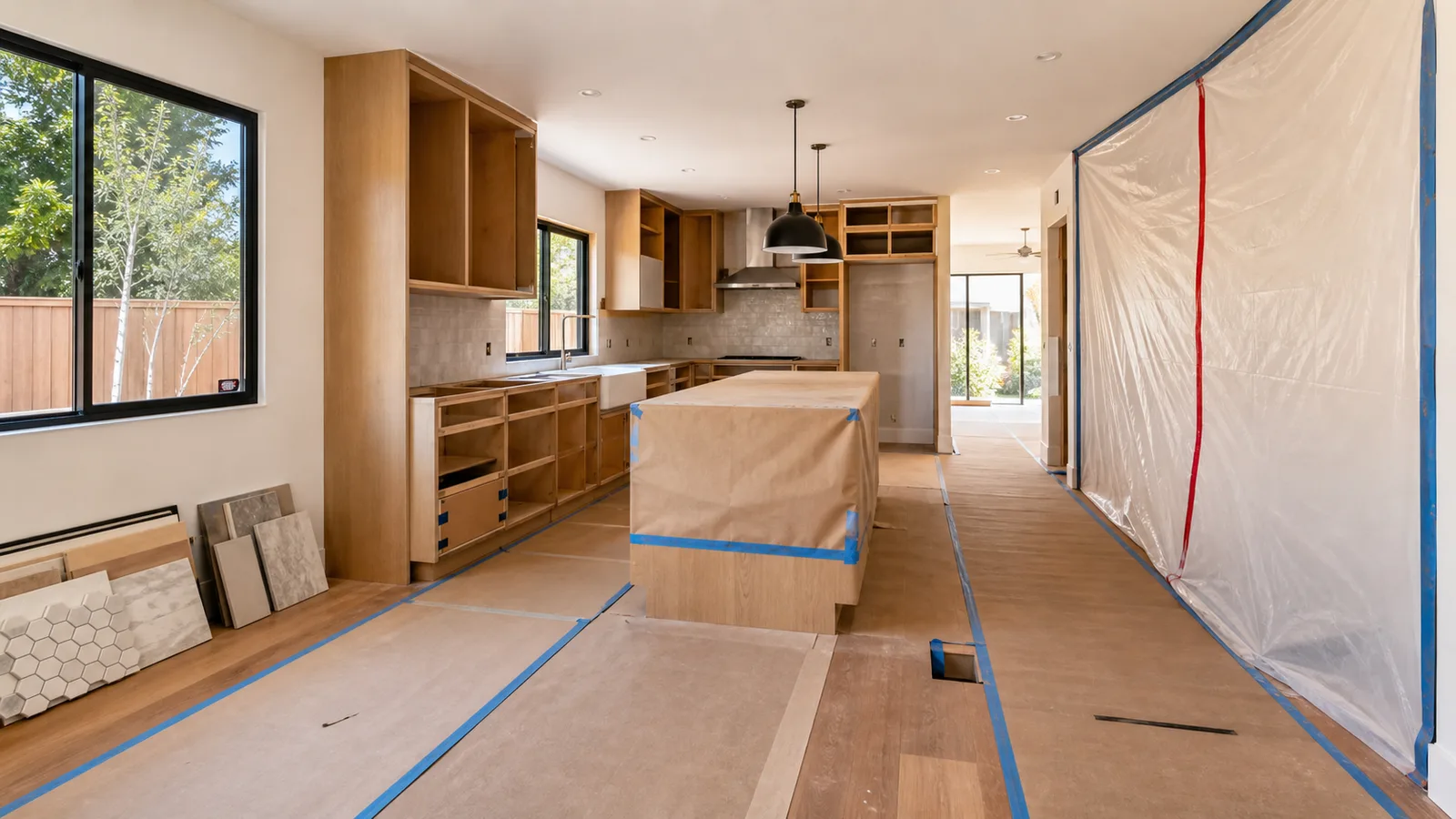
Kitchen Remodel Timeline for an Occupied San Diego Home
Understand the phases that shape a kitchen remodel timeline when the family is still living in the home.
Occupied Homes
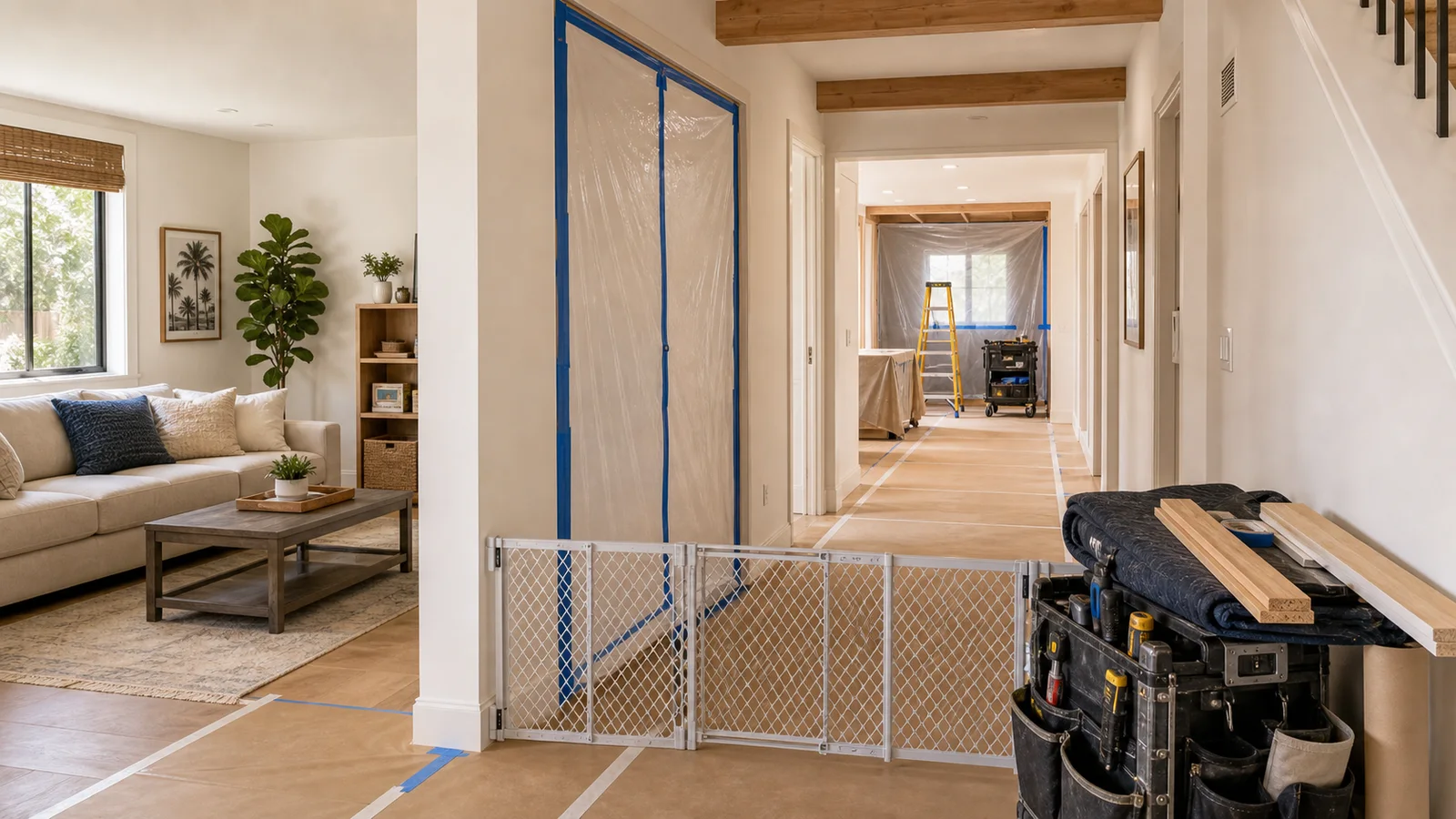
Remodeling Around Kids, Pets, and Daily Family Life
Occupied remodels need a different plan: safe boundaries, protected paths, clean communication, dust control, and realistic routines.